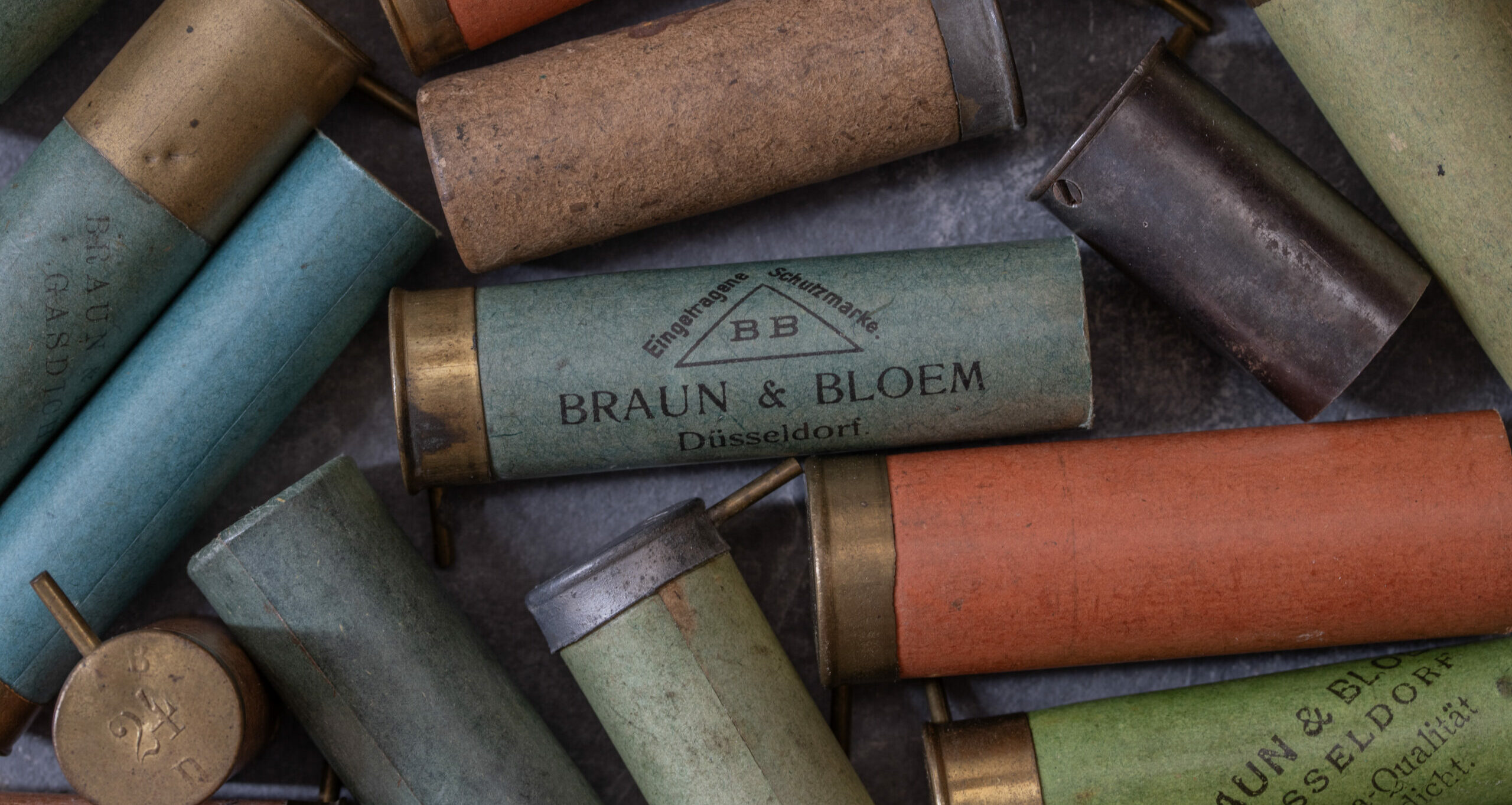
Pinfire Links
Your definitive source for all things pinfire! Dive deep into the fascinating world of antique firearms and ammunition with us. From detailed articles about the history and intricacies of pinfire guns to reliable sources where you can acquire these vintage beauties and their ammo. Whether you're a seasoned collector, a budding enthusiast, or just curious about the world of antique firearms, out sites have something to ignite your interest. Load up on knowledge and let your passion for vintage armory fire away!
Pinfire
Hey @followers, new article posted today!
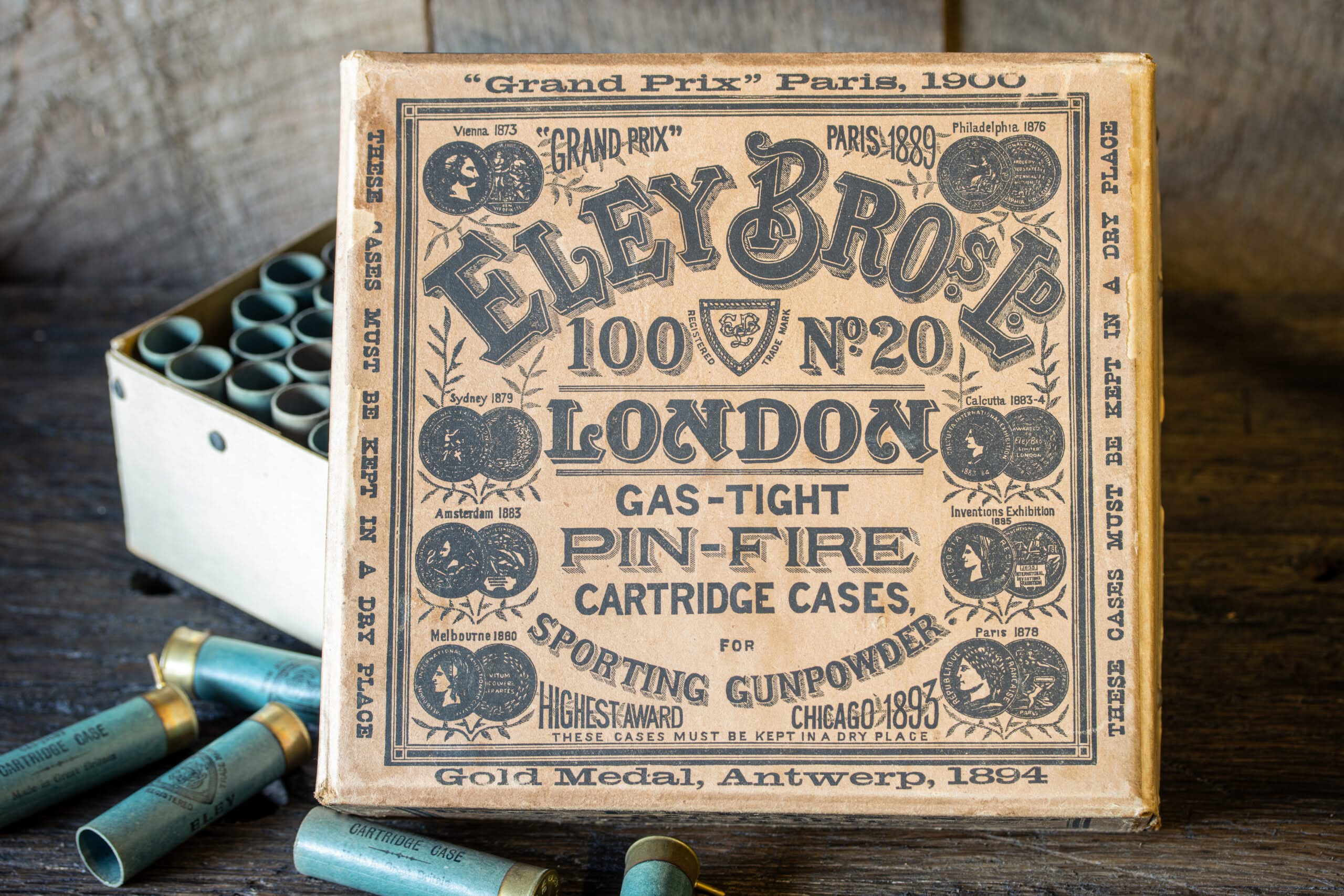
We tend to think of centerfire as the obvious improvement over pinfire, but did you know that some 19th-century sportsmen complained that their new centerfire guns misfired more often than their old pinfire guns?
Using an original two-sided Eley Brothers instruction sheet, along with period invoices, cartridge packaging, and percussion-cap tins from my collection, I explore some of the problems shooters encountered as breechloaders became more common, and how Eley explained what was going wrong.
“Missing Fire”: Eley and the Growing Pains of British Breechloaders
Eley Brothers highlighted that misfires in guns could stem more from the firearm's condition than the cartridges. Issues with hammer strength and chamber size often resulted in misfires and cartridge failures, challenging the assumption that new central-fire systems were inherently more reliable tha…
Pinfire
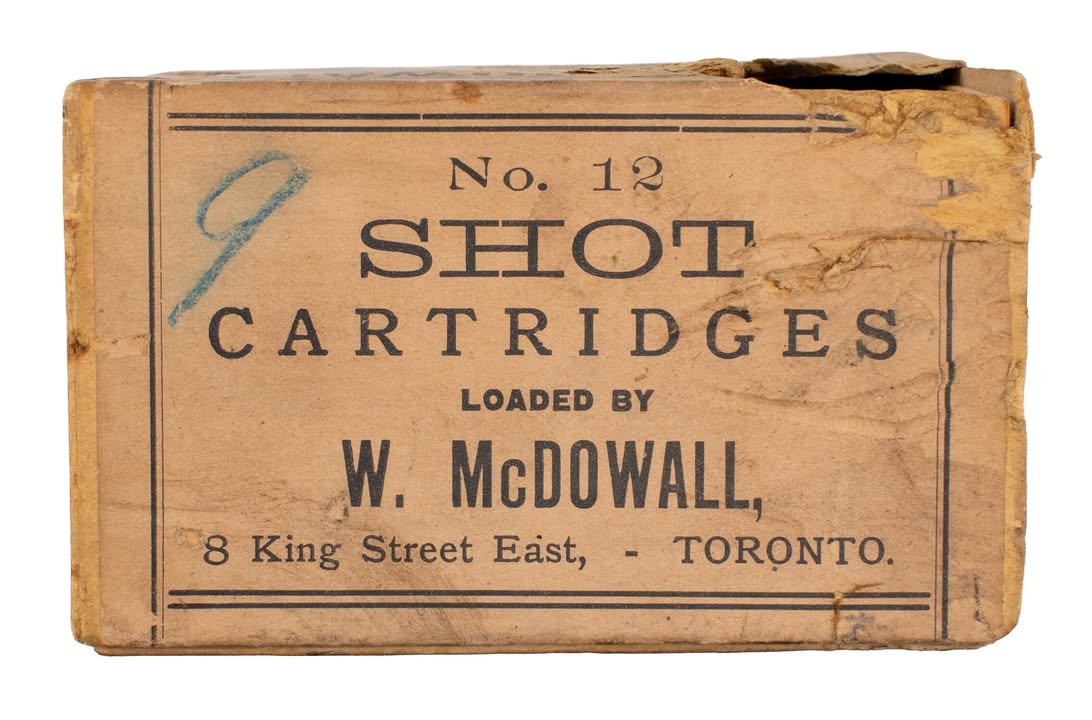
What was a Toronto sporting-goods dealer doing with pinfire cartridges?
This surviving box of No. 12 pinfire shotshells was loaded by W. McDowall of 8 King Street East, Toronto, using cartridge cases manufactured by Eley in London, England.
It's a fascinating example of the international trade in early metallic ammunition, with British-made cases being loaded and sold by a Canadian sporting-goods dealer during the 19th century.
Pinfire
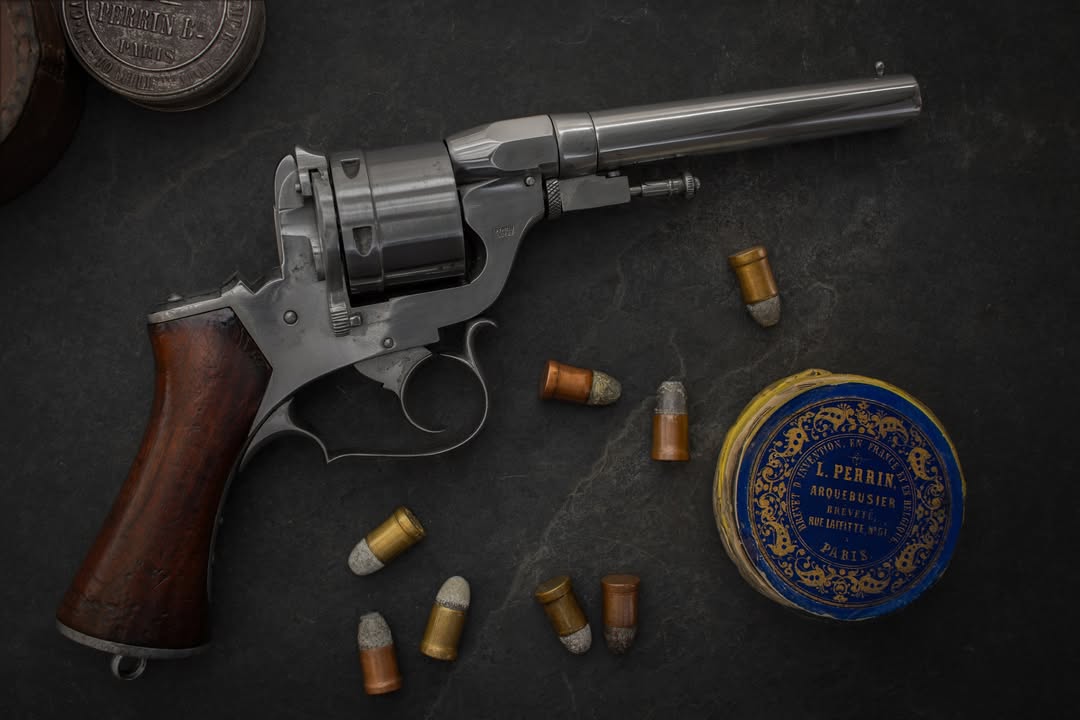
Hey @followers Check out a French Perrin revolver, accompanied by its distinctive metallic cartridges and original L. Perrin ammunition containers.
Louis Perrin was among the early French innovators experimenting with self-contained metallic cartridges and revolver designs during the mid-19th century. His centerfire cartridge system represents an interesting chapter in the development of modern ammunition alongside the better-known pinfire systems of the period.
Pinfire
@followers here is the full post on the museum website for the pair I shared yesterday.
Pinfire
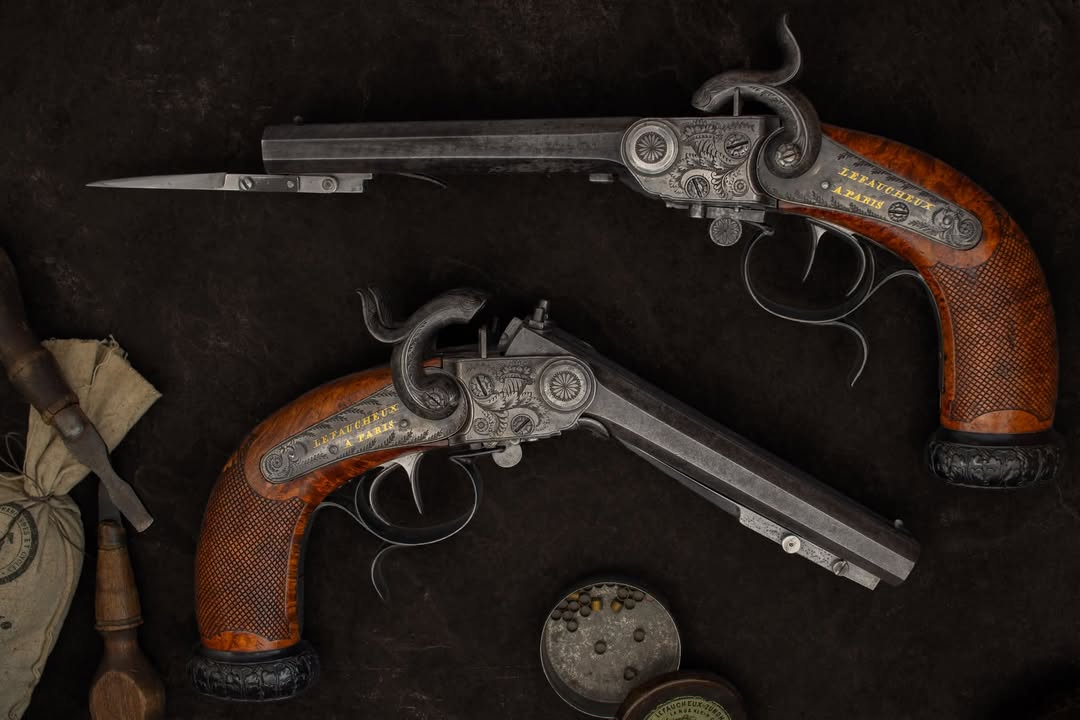
Before Casimir Lefaucheux created his pinfire system, he was already experimenting with ways to improve the breechloading arms he inherited from the Pauly tradition.
This remarkable pair of early Lefaucheux percussion breechloaders recently won the Most Outstanding Single Item Display award at the American Society of Arms Collectors meeting in Santa Fe. The Virginia Gun Collectors Association also asked to publish my short article on them in its recent newsletter.
I’ll post the full article soon on The Lefaucheux Museum
Pinfire
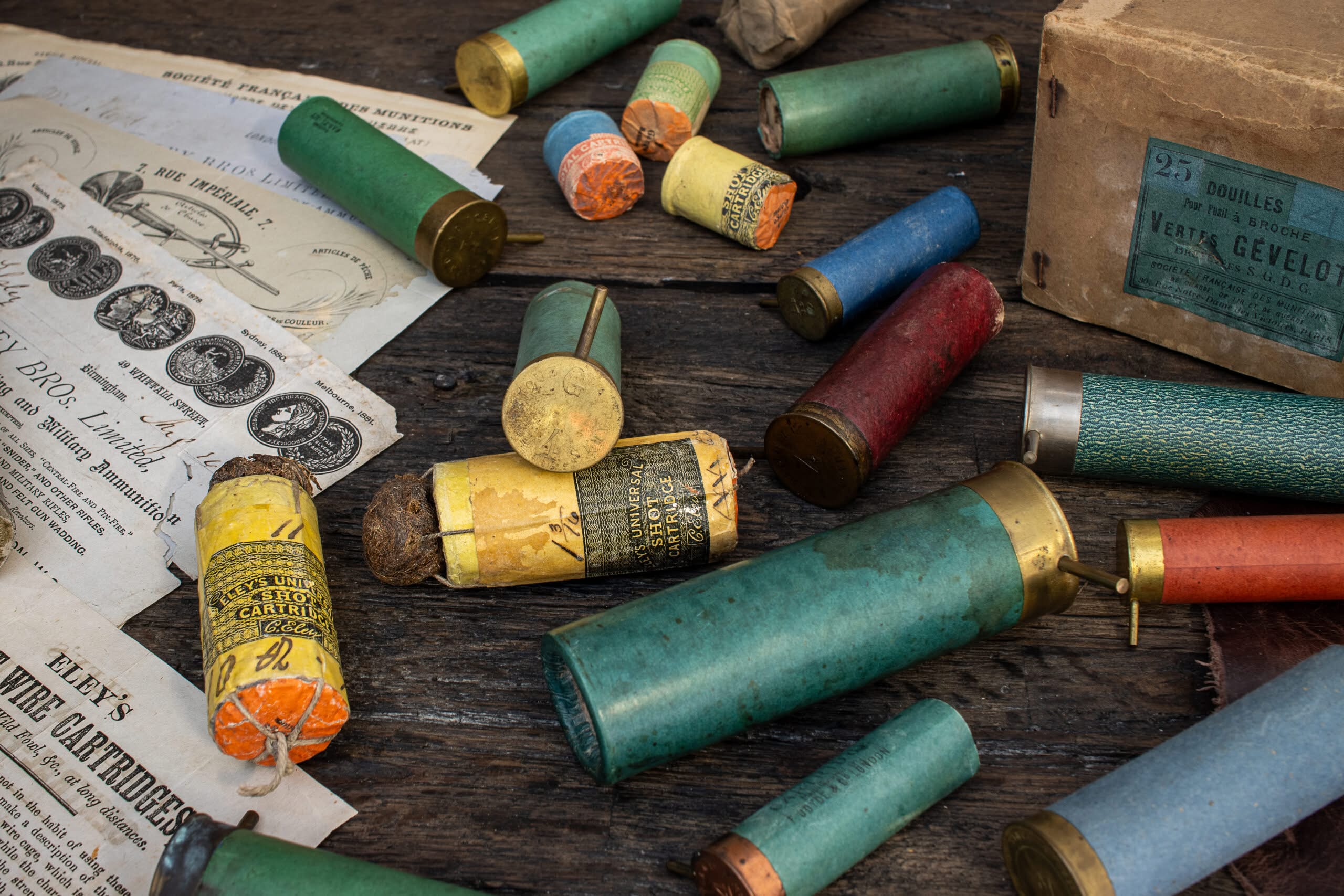
@followers A look at the oversized pinfire cartridges made for the market-gunning era, from 4-gauge wildfowling loads to 32mm ammunition for wheeled bank guns. Along the way, the article explores punt guns, French canardières, percussion-era shot concentrators, period catalogs, and the specialized trade that grew around some of the largest sporting cartridges of the 19th century.
Giant Pinfires of the Market-Gunning Era
A look at the oversized pinfire cartridges made for the market-gunning era, from 4-gauge wildfowling loads to 32mm ammunition for wheeled bank guns. Along the way, the article explores punt guns, French canardières, percussion-era shot concentrators, period catalogs, and the specialized trade that …
Pinfire
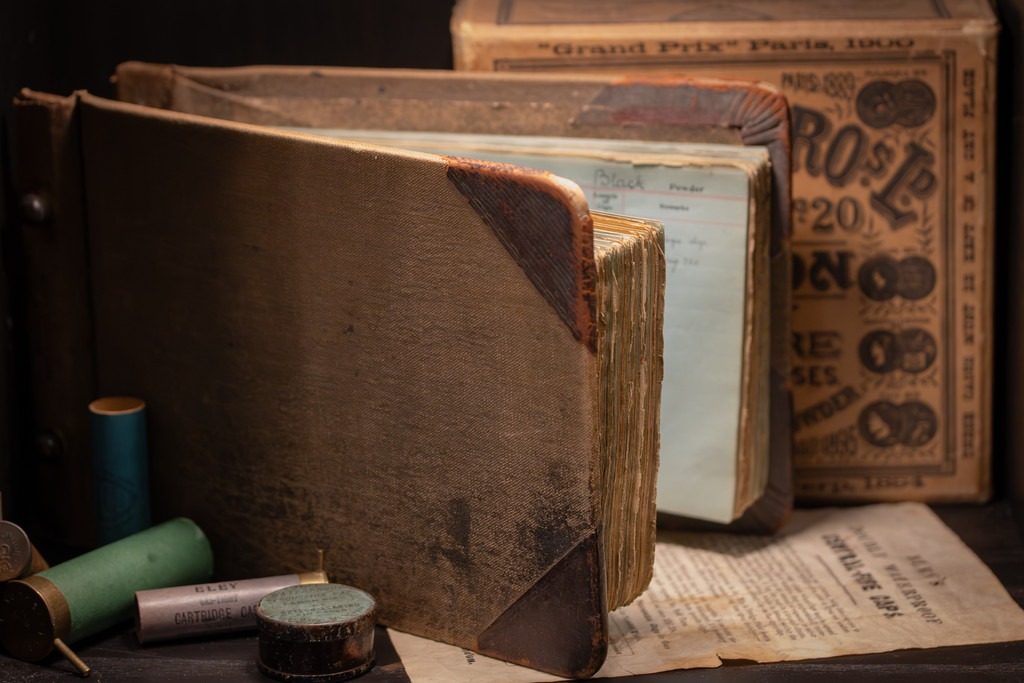
I recently acquired an original Eley Brothers factory loading ledger containing over 600 pages of internal production records. The volume covers a wide range of cartridge types and includes many pages devoted specifically to pinfire cartridges, recorded in the same standardized working format used at the factory.
These entries document cartridge specifications as they were actually defined and revised, rather than later catalog descriptions. Scanned pages and a searchable version of the ledger are linked in the comments.
Pinfire
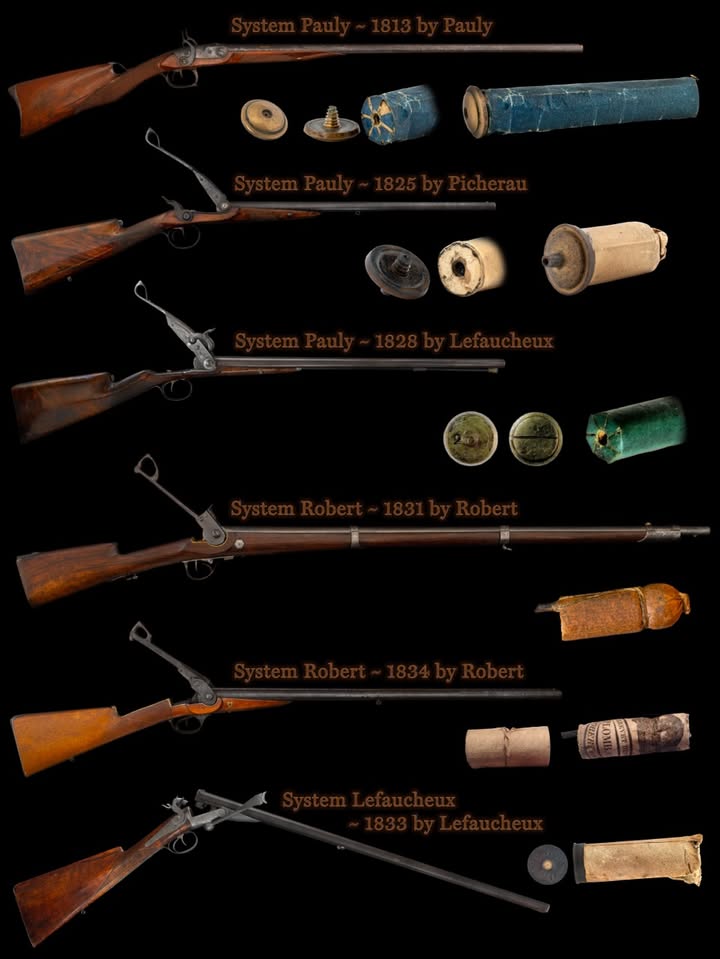
Pauly, Lefaucheux and Robert Guns and Cartridges showing the evolution of these early breech-loaders.
Pinfire is with The Lefaucheux Museum.
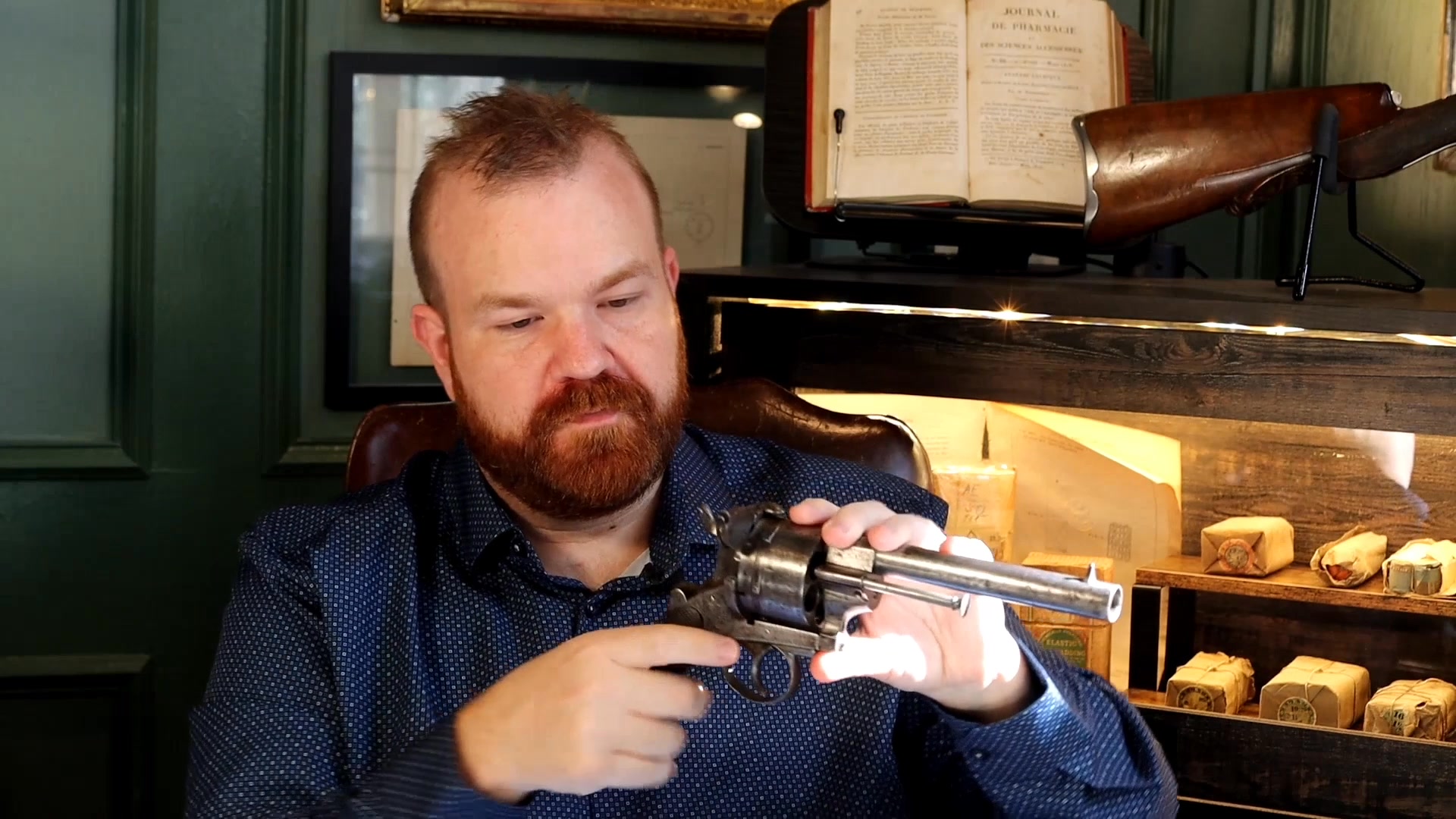
Hey @followers, This video examines a 15mm pinfire revolver, an unusually large-caliber handgun from the mid-19th century. With a bullet diameter comparable to roughly .60 caliber, both the cartridges and the revolver itself are striking in size.
The revolver is double-action, loads through a side gate, and holds six pinfire cartridges. The example shown is Belgian-made and unmarked, a common configuration within the broader pinfire trade of the period.
#pinfire #antiquefirearms #19thcentury #revolver #cartridges
Pinfire is with The Lefaucheux Museum.
The 1835 Lefaucheux Report Obturation, Pinfire, and the Modern Cartridge
In March 1835, the Société d’Encouragement pour l’Industrie Nationale published a detailed technical report on breech-loading firearms submitted by Casimir Lefaucheux. Central to the report is the introduction of cartridge obturation through a thin copper base that expands under pressure to seal the breech, shifting the problem of gas sealing out of the gun and into the cartridge itself.
The committee regarded this obturating cartridge as one of the most useful improvements made to breech-loading arms in many years, noting that it eliminated gas leakage and reduced reliance on extremely precise mechanical closures. In the same publication, the report also presents the first published illustration of a pinfire cartridge, in which ignition is carried by the cartridge through a transverse pin acting on a primer housed in the copper base.
Together, these developments document the point at which sealing and firing become integrated functions of the cartridge, establishing the basic architecture that would define the modern metallic cartridge.